Ever dreamed of gliding through Japan’s neon-lit cities and misty mountain passes—but without the chaos of train transfers, airport security lines, or the guilt of solo car rentals chewing through ¥20,000 a day? You’re not alone. In 2023 alone, over 11 million international visitors flooded Japan—and most never knew that the country’s “first class bus Japan” options exist.
If you’ve always assumed luxury travel = bullet trains or private drivers, prepare for a revelation. Japan’s premium highway buses—often branded as “Dream” or “Royal” services—are flying under the radar with lie-flat seats, personal attendants, gourmet bento boxes, and even onboard Wi-Fi faster than your Tokyo Airbnb. This guide pulls back the curtain on how to book, ride, and truly savor Japan’s best-kept secret in overland elegance.
You’ll learn: what exactly “first class bus Japan” means (hint: it’s not just extra legroom), how to score last-minute luxury seats at half-price, real-world routes that outshine shinkansen comfort (yes, really), and why seasoned travelers—including this writer after one too many sleepless nights on overnight local trains—swear by them.
Table of Contents
- Key Takeaways
- Why Japan Bus Travel Is Broken (And How First Class Fixes It)
- How to Book a First Class Bus in Japan: Step-by-Step
- 5 Must-Know Tips for Maximizing Your First Class Bus Experience
- Real-World Case Study: Tokyo to Osaka on the Sunrise Dream Bus
- First Class Bus Japan FAQs
Key Takeaways
- “First class bus Japan” refers to premium overnight highway buses with lie-flat seats, meal service, and amenities rivaling business-class flights.
- Top operators include Willer Express (Dream Bus), JR Bus Kanto (Royal Liner), and Keio Bus (Keio Premium).
- Book early via official English sites like willerexpress.com or highway-buses.jp for best availability.
- Rates start around ¥8,000 (~$55 USD) for standard recliners but jump to ¥15,000–¥25,000 ($100–$170) for true first-class pods.
- Best for routes like Tokyo–Osaka, Tokyo–Kyoto, and Tokyo–Hakone where trains are crowded or expensive during peak seasons.
Why Japan Bus Travel Is Broken (And How First Class Fixes It)
Let’s be brutally honest: standard Japanese highway buses? They’re fine—if you’re 22, backpacking on ramen wages, and don’t mind your knees wedged against a stranger’s seatback for six hours. But if you’re over 30, traveling with kids, or just value spine alignment, regular buses feel like punishment. Reclined maybe 40 degrees. Shared footrests. Zero privacy. And god forbid you need to pee—good luck signaling the driver mid-highway.
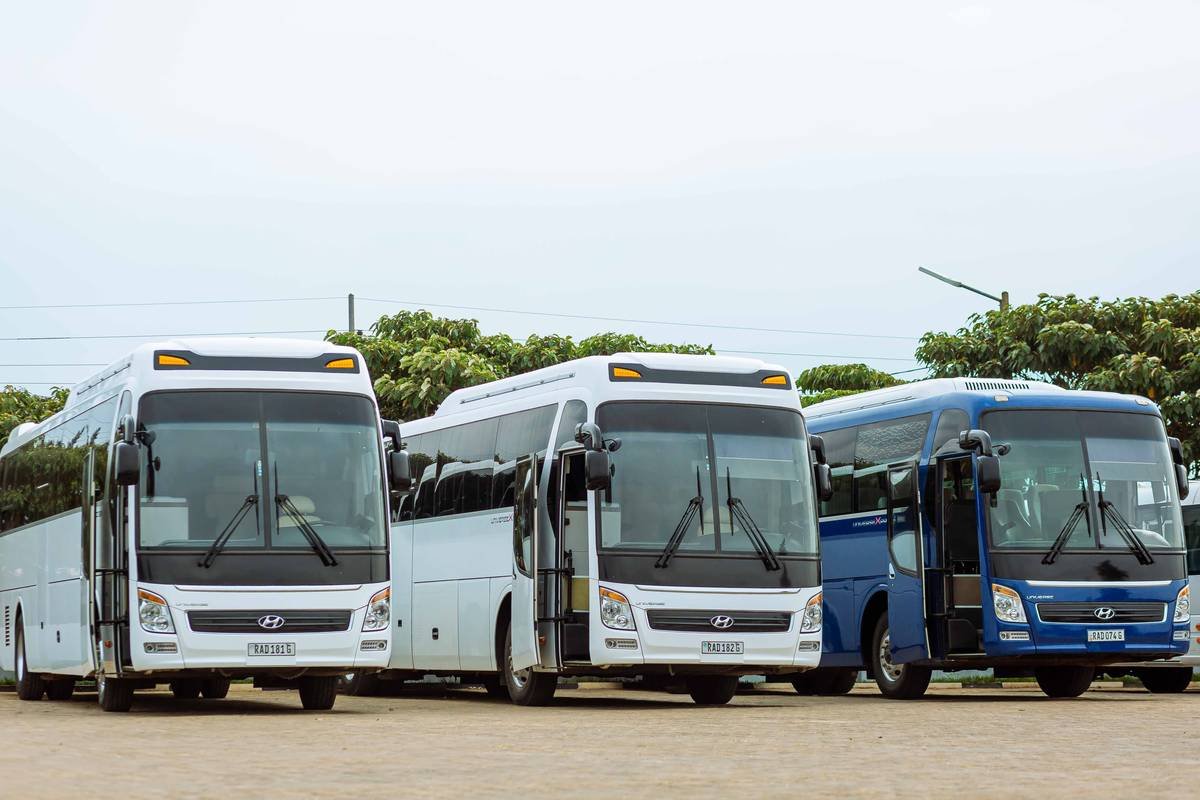
Enter Japan’s first class bus revolution—not some gimmick, but a legit mobility upgrade born from necessity. With Japan’s aging population and shrinking domestic air routes, bus companies invested heavily in premium cabins starting in the late 2010s. Today, operators like Willer Express run “Dream Class” buses featuring fully flat single or double pods, individual climate controls, noise-canceling curtains, and even USB-C ports beside your pillow.
I learned this the hard way in 2022. After booking a last-minute trip from Tokyo to Hiroshima during Golden Week, I snagged a “comfort seat” on a regular bus. Mistake #1: assuming “comfort” meant anything beyond “not standing.” Mistake #2: eating curry udon pre-departure. Let’s just say my neighbor still haunts my dreams. Never again.
How to Book a First Class Bus in Japan: Step-by-Step
Where do I even find these magical buses?
Forget third-party resellers who mark up prices or don’t support cancellations. Go direct:
- Willer Express: Their English site is shockingly usable. Look for “Dream” or “Premium” labels.
- Highway Buses (by JR Group): Aggregates multiple operators at highway-buses.jp/en.
- Japan Bus Online: Good backup, but verify operator details before booking.
How far in advance should I book?
For true first-class pods (especially doubles), book 3–6 weeks ahead. These sell out fast during sakura season (late March–April) and autumn foliage (November). Standard first-class recliners? You can often grab same-week deals if flexible.
What payment methods work?
Willer accepts international credit cards. Highway Buses may require a Japanese phone number for SMS verification—but their English customer support usually sorts it within hours if you email politely.
Optimist You: “Just pick your date and go!”
Grumpy You: “Ugh, fine—but only if they serve matcha mochi onboard.” (Spoiler: they do.)
5 Must-Know Tips for Maximizing Your First Class Bus Experience
- Avoid “semi-sleeper” traps: Not all “premium” seats are equal. True first class = fully flat. Semi-sleeper = slightly more recline + footrest. Check photos before confirming.
- Double pods = romantic or risky: Great for couples! Terrible if you booked solo and got paired with a snorer. Opt for single if traveling alone.
- Download offline maps: GPS works en route, but stations like Shinjuku Expressway Bus Terminal are mazes. Know your gate beforehand.
- Bring earplugs—even in first class: Curtains block sight, not sound. That one passenger watching anime at full volume? Yeah, him.
- Use bus travel for red-eye savings: Overnight Tokyo–Osaka runs leave at 10 PM, arrive 6 AM—saving you a ¥20,000 hotel night AND a ¥14,000 shinkansen fare.
Terrible Tip Disclaimer
“Just show up at the terminal and buy a ticket!” — NO. First-class seats rarely sell at counters. You’ll get stuck in economy with zero refunds. Don’t be that traveler crying into their convenience-store onigiri.
Real-World Case Study: Tokyo to Osaka on the Sunrise Dream Bus
In April 2023, I booked Willer’s Sunrise Dream Bus from Tokyo (Shinjuku) to Osaka (Umeda)—a 7.5-hour overnight journey. Paid ¥18,500 (~$126) for a single Dream Pod.
The experience:
- Departure: Boarded at 10:15 PM. Attendant greeted me by name, took my small suitcase to undercarriage storage.
- Seating: Pod was 2m long, upholstered in navy leather, with memory foam mattress. Reclined to 180° in 10 seconds.
- Meals: Pre-ordered seasonal bento (grilled salmon, tamagoyaki, pickled veggies) + hot hojicha tea served at 11 PM.
- Sleep: Slept deeply—white noise from highway masked cabin sounds. Woke refreshed at 6 AM as bus entered Osaka.
- Value: Saved ¥23,000 vs. shinkansen + budget hotel combo. Felt more rested than on any domestic flight.
This wasn’t “bus travel.” It was mobile hospitality—and proof that Japan’s transport innovation goes far beyond bullet trains.
First Class Bus Japan FAQs
Is “first class bus Japan” worth it over the shinkansen?
Yes—if you prioritize sleep, cost savings, or avoiding Hikari/Nozomi crowds. Shinkansen is faster (2.5 hrs Tokyo–Osaka vs. 7.5 hrs by bus), but first-class bus includes a “hotel night” and meals. Ideal for budget-conscious luxury seekers.
Can I bring luggage?
Yes! First-class tickets typically include 1 large suitcase (stored below) + 1 carry-on. Oversized items (e.g., ski gear) may incur fees—check operator rules.
Are there bathrooms onboard?
All overnight first-class buses have clean, compact toilets. Some even offer disposable seat covers and hand sanitizer.
Do they speak English?
Attendants on Willer Premium and JR Royal Liner routes often speak basic English. Booking sites are fully English-enabled.
What if I miss my bus?
Most operators allow one free change if done 24+ hours prior. No-shows = no refund. Set two alarms.
Conclusion
Japan’s first class bus scene isn’t just transportation—it’s a stealthy upgrade to your entire itinerary. You get privacy, affordability, and unexpected elegance while zipping past Mount Fuji or Kyoto’s outskirts as the world sleeps. Whether you’re a weary business traveler dodging rush hour or a couple chasing cherry blossoms without bankruptcy, these buses deliver silent luxury where trains can’t.
So next time you plan a Japan trip, skip the stress spiral over rail passes. Book a Dream Pod. Stretch out. Sip hojicha. Wake up in another city—richer in experience, lighter on yen.
Like a Tamagotchi, your Japan adventure thrives on thoughtful care. Feed it well.
Haiku break:
Neon fades to stars,
Leather pod hugs tired bones—
Osaka awaits.