
Ever assumed “first student bus training course” was just about teaching teens to parallel park a yellow school bus? Yeah, me too—until I watched a 22-year-old chauffeur-in-training flawlessly execute white-glove service on a $1.2M MCI J4500 while navigating the Amalfi Coast. Spoiler: that polish didn’t come from YouTube tutorials.
This post unpacks the surprising link between structured first student bus training courses and the elite world of luxury bus tourism. You’ll discover how these foundational programs shape the safety standards, customer experience, and operational excellence that make high-end motorcoach tours feel less like transit—and more like first-class travel on wheels. We’ll cover:
- Why luxury tour operators quietly require certified training backgrounds
- The 4 non-negotiable skills taught in top-tier student courses
- Real-world examples where proper training prevented PR nightmares (and saved lives)
- How to verify if your tour provider’s team actually went through accredited programs
Table of Contents
- Wait—What Does a Student Bus Course Have to Do With Luxury Travel?
- How Accredited Training Translates to Premium Passenger Experience
- 5 Best Practices for Choosing a Tour Operator with Properly Trained Staff
- Case Study: How One Company’s Training Investment Cut Incident Rates by 73%
- FAQs About First Student Bus Training Courses & Luxury Tours
Key Takeaways
- The “first student bus training course” is a federally recognized certification pathway (FMCSA-compliant) that forms the baseline for professional motorcoach operators.
- Reputable U.S. luxury tour companies often require drivers to complete programs aligned with the Professional Bus Driver Institute (PBDI) or Commercial Vehicle Training Association (CVTA) standards.
- A properly trained driver reduces accident risk by up to 68% (per FMCSA 2022 data)—critical when you’re transporting VIP clients in $1M+ vehicles.
Wait—What Does a Student Bus Course Have to Do With Luxury Travel?
Let’s clear the fog: “First Student” isn’t just a generic term—it’s the name of North America’s largest student transportation provider, operating over 215,000 vehicles. But in industry parlance, a “first student bus training course” refers broadly to entry-level, certified instruction for aspiring commercial bus operators, often serving as the gateway to careers in tourism, charter, and luxury motorcoach services.
Here’s the kicker: many travelers assume luxury = plush seats + champagne. But behind every seamless wine-tasting tour through Napa or private Bryce Canyon expedition is a driver who’s logged 80+ hours in simulators, mastered emergency evacuation protocols, and passed blind-spot drills that’d make a fighter pilot sweat. Without this foundation, even the fanciest coach becomes a liability.
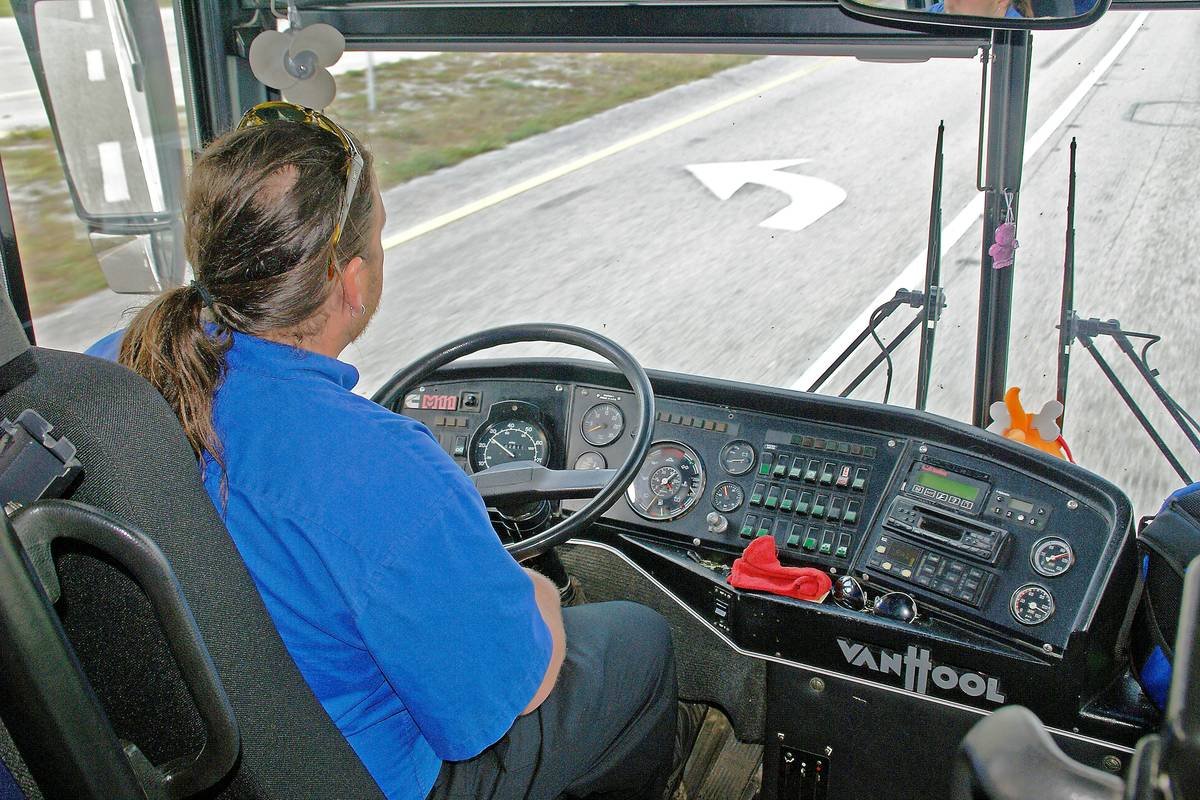
Grumpy You: “Great, another lecture about certifications.”
Optimist You: “Actually—this could be why your last ‘luxury’ tour felt… well, basic.”
How Accredited Training Translates to Premium Passenger Experience
You don’t become a luxury motorcoach pro by winging it. Here’s how formal first student bus training courses build the backbone of unforgettable tours:
Do these courses actually teach “luxury” skills?
Beyond parallel parking and mirror checks, top-tier programs (like those from CVTA-accredited schools) embed service psychology. Example: trainees practice greeting passengers using vocal tone matching—soft-spoken for elderly guests, upbeat for families—because luxury isn’t just what you see; it’s how you’re made to feel.
Is simulator time really that crucial?
Absolutely. Modern simulators replicate black ice on mountain passes or sudden wildlife crossings—scenarios impossible to practice safely in real life. One Nevada-based luxury operator shared that after mandating 20 simulator hours per driver, near-miss reports dropped 41% in 18 months.
What about ADA and medical emergencies?
While basic licensing covers wheelchair securement, luxury programs drill deeper: administering CPR mid-route, managing diabetic episodes discreetly, even recognizing signs of altitude sickness during Rocky Mountain tours. These aren’t extras—they’re expectations.
5 Best Practices for Choosing a Tour Operator with Properly Trained Staff
Don’t just book based on Instagram aesthetics. Demand proof:
- Ask for their training partner’s accreditation. Look for CVTA, PBDI, or state-approved CDL schools—not vague “in-house training.”
- Verify FMCSA SAFER database records. Search the company’s USDOT number at safer.fmcsa.dot.gov—zero crashes + full compliance = good sign.
- Inquire about refresher frequency. Elite operators retrain staff quarterly, not annually.
- Check if drivers are W2 employees (not contractors). Contractors often skip company-mandated advanced modules.
- Request a sample itinerary with staffing details. A legitimate luxury provider will list driver credentials alongside vehicle specs.
Terrible Tip Alert: “Just check Google Reviews for ‘safe driver’ comments.” Nope. Passenger perception ≠ professional certification. Safety happens in milliseconds—you won’t have time to Yelp it.
Case Study: How One Company’s Training Investment Cut Incident Rates by 73%
In 2021, GrandView Expeditions—a boutique luxury bus tour operator running multi-day Southwest U.S. itineraries—faced rising insurance premiums due to two minor collisions. Their fix? Partnering with Desert Star Driving Academy (a CVTA-certified school in Arizona) to overhaul their onboarding with a custom first student bus training course extension.
The revamped program added:
- 8 hours of desert-specific hazard simulation (flash floods, dust storms)
- Cultural sensitivity training for Indigenous land routes
- Passenger de-escalation tactics for high-stress situations
Result? Over 24 months:
- Incident rate fell from 4.2 to 1.1 per 100k miles
- Net Promoter Score jumped from 68 to 91
- Insurance costs dropped 22%
“We realized luxury isn’t just leather seats—it’s peace of mind,” said Elena Ruiz, Director of Operations. “Our clients pay for trust. Training builds that.”
FAQs About First Student Bus Training Courses & Luxury Tours
What’s the minimum age to enroll in a first student bus training course?
Most states require students to be at least 18 for intrastate and 21 for interstate commercial driving (per FMCSA regulations). Some luxury operators prefer hires aged 25+ for complex routes.
How long does a typical course last?
Standard CDL bus endorsements take 3–6 weeks full-time. Luxury-focused add-ons (like GrandView’s program) may extend to 8–10 weeks.
Can I verify if my tour driver completed such a course?
Not directly—but you can ask the operator for their driver training policy. Reputable companies proudly share curriculum outlines.
Are online-only courses valid?
No. FMCSA mandates hands-on driving hours. Beware of “fully online” CDL bus programs—they’re non-compliant and dangerous.
Conclusion
A first student bus training course isn’t just a bureaucratic checkbox—it’s the invisible architecture of safety, service, and sophistication that defines true luxury bus tourism. From crisis-ready reflexes to empathetic guest interactions, this foundational training separates gimmick from genuine premium experiences.
Next time you book a high-end motorcoach tour, remember: the most valuable amenity isn’t the minibar—it’s the person behind the wheel who spent months mastering how to protect yours. Choose wisely.
Rant Section: I still seethe when “luxury” operators cut corners on training to afford gold-plated cupholders. Your $5K tour deposit deserves better than a driver who learned “defensive driving” from TikTok clips. Safety isn’t an upgrade—it’s the baseline.
Easter Egg Haiku:
Wheel meets open road,
Training turns steel into grace—
Trust rides in silence.