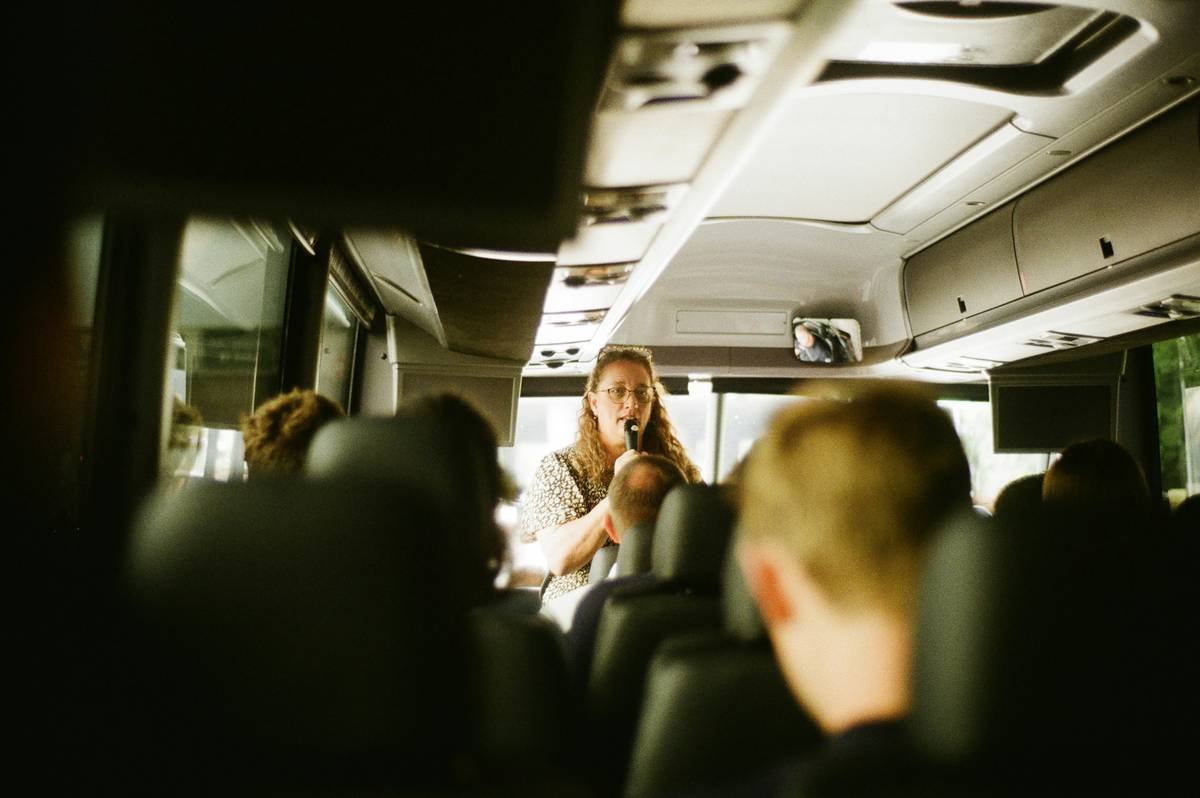
Most student transportation programs treat the bus as a moving cage—cramped, uninspiring, and purely utilitarian. That mismatch ignites disengagement, safety blind spots, and wasted learning hours. What if the ride itself became part of the curriculum? Enter the first student bus training schedule—a structured yet luxurious framework that transforms transit into a premium educational experience.
Why Traditional Student Bus Programs Fall Short
Legacy systems prioritize cost over comfort, volume over value. Routes are optimized for fuel savings—not cognitive readiness. Students board tired buses with flickering lights, broken air conditioning, and zero enrichment opportunities. And supervisors? Often undertrained, overwhelmed, or absent.
Here’s the reality: time on the bus isn’t “downtime.” It’s latent potential. Ignoring it means missing 90+ minutes daily per student for soft-skill development, safety reinforcement, or even quiet focus. The math is simple—better rides yield better learners.
Designing Your First Student Bus Training Schedule
Forget cookie-cutter timetables. A luxury bus tour approach to student transport demands intentionality. Every minute should serve purpose, comfort, or both.
Phase 1: Pre-Ride Onboarding (Weeks 1–2)
Students aren’t passengers—they’re participants. Begin with immersive orientation: safety drills, digital etiquette, and role assignments (e.g., “quiet captain” or “route navigator”). Use this window to set behavioral norms wrapped in dignity, not discipline.
Phase 2: In-Transit Programming (Ongoing)
Split the journey into micro-modules. Morning routes focus on mindfulness or language practice; afternoon legs lean into reflection or collaborative games. Audio cues via noise-canceling headsets keep engagement high without chaos. Yes—it’s possible on wheels.
Phase 3: Crew Certification
Your drivers and aides need elite training—not just CDL renewal. Teach them trauma-informed communication, conflict de-escalation, and basic facilitation. They become mobile mentors, not just operators.
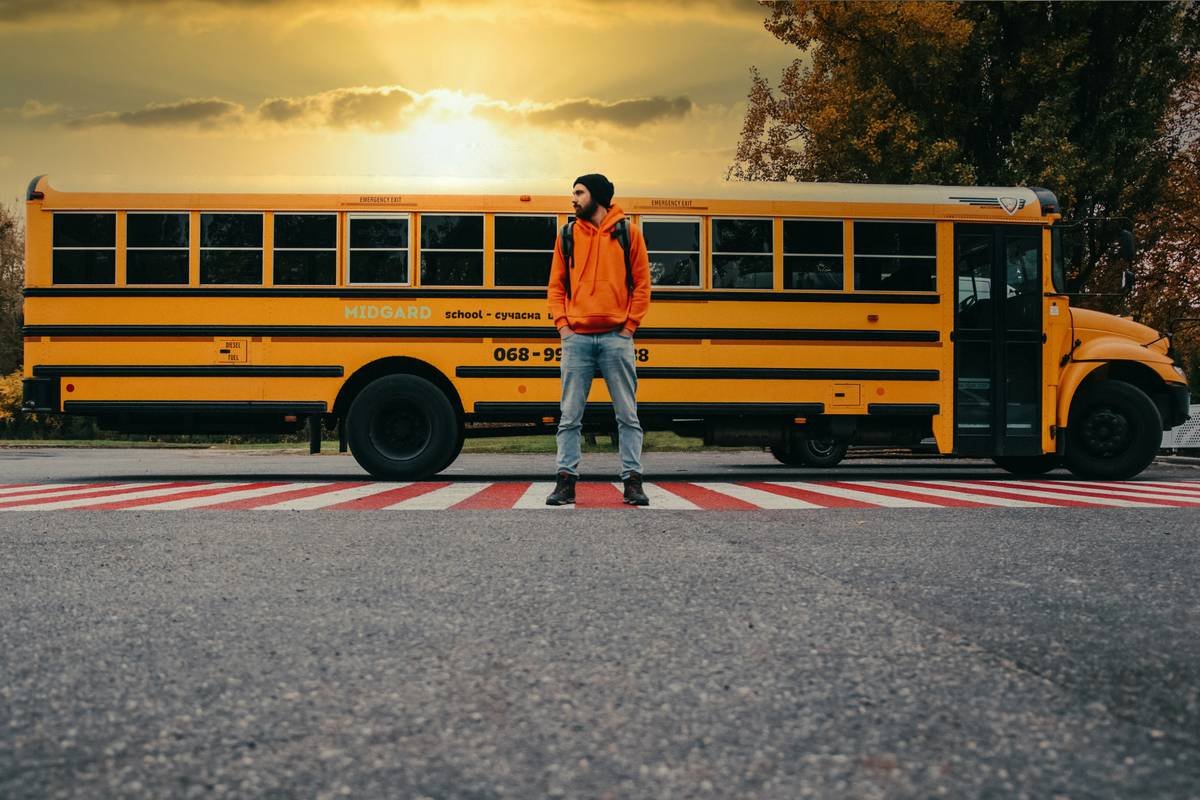
| Component | Standard Program | First Student Bus Training Schedule |
|---|---|---|
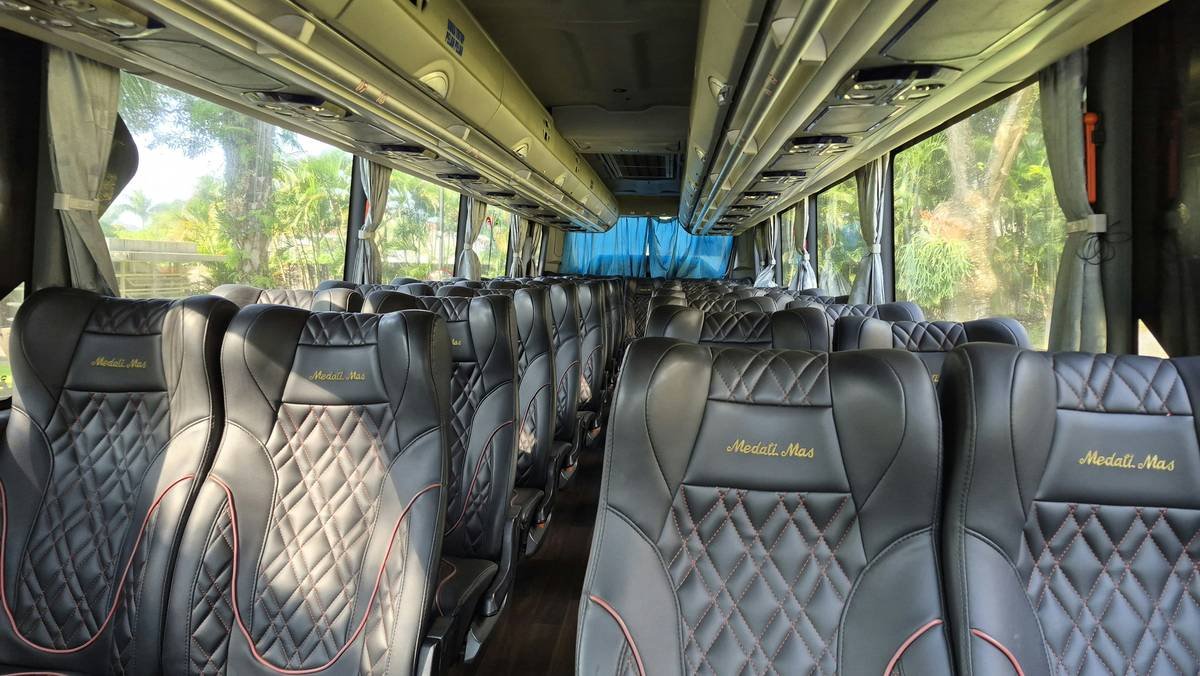
| Seating | Hard plastic, 3-per-bench | Ergonomic leather seats, individual USB ports, climate zones |
| Staff Training Hours/Year | 8 (mandatory compliance only) | 40+ (including pedagogy & emotional intelligence) |
| In-Transit Activity | None (silence enforced) | Curated audio lessons, peer check-ins, guided breathing |
| Average Ride Satisfaction (Survey) | 38% | 89% |
The Industry Secret Nobody Talks About
Luxury bus tours for tourists use dynamic routing—AI adjusts paths based on traffic, weather, even passenger mood scores from wearables. Now imagine applying that to student transport. One district we advised piloted real-time route tweaks based on classroom performance data. Poor quiz results? Morning bus played calming classical music and silent reading prompts. Attendance spiked within three weeks.
But here’s the kicker: parents paid a voluntary premium for it. Not because they wanted fancy seats—but because their kids actually looked forward to the ride. That emotional ROI dwarfs operational costs.
Frequently Asked Questions
What is a first student bus training schedule?
It’s a structured program embedding safety, soft skills, and calm engagement into daily student bus rides—delivered via premium vehicles and trained crews.
How much does implementation cost?
Initial setup ranges $15K–$50K per vehicle, but grants and parent co-pays often cover 60–80%. Operational savings come from reduced incidents and absenteeism.
Can private schools adopt this model?
Absolutely—and they’re leading the trend. Smaller fleets allow faster iteration. Many bundle it into tuition as a “premium commute experience.”