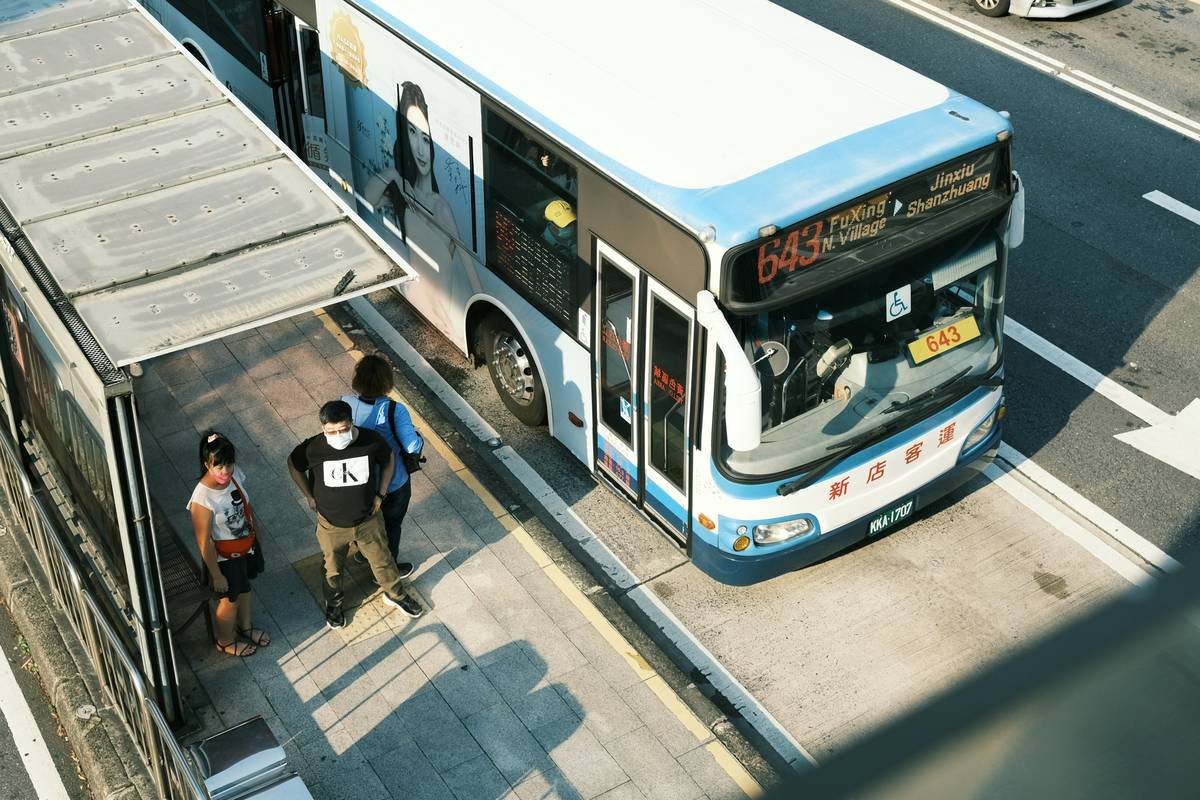
Most student transport is an afterthought—cramped seats, flickering lights, zero dignity. Parents worry. Students dread it. And operators cut corners to save pennies. But what if the student first school bus wasn’t just safe—but sumptuous? Imagine climate control, Wi-Fi that actually works, and on-board attendants who know every rider by name. That’s not fantasy. It’s the new standard—and it’s already rolling in cities that refuse to treat young travelers like cargo.
The Hidden Crisis in Student Transportation
Traditional school buses are relics. Steel benches. No seatbelts. Windows that rattle for 45 minutes each way. And let’s be honest—they reek by Tuesday. Operators justify this with budget constraints. “It’s just a ride,” they say.
But here’s the reality: when you normalize discomfort for kids, you signal that their time—and safety—isn’t worth investing in. And that mindset bleeds into everything: lateness, behavioral issues, even academic performance. The math is simple. A miserable commute = a distracted mind.
How to Build a True Student First School Bus Experience
Luxury isn’t about gold-plated cup holders. It’s about intentionality. Every detail must serve comfort, safety, or engagement. Here’s how the best operators do it—without blowing their budgets.
Selecting the Right Vehicle Platform
Start with a modern chassis—think Mercedes-Benz Tourismo or Volvo 9700—not a repurposed transit bus. These offer low-floor entry, advanced suspension, and integrated telematics. And yes, they cost more upfront. But maintenance savings over 8 years often offset that.
On-Board Amenities That Actually Matter
Ditch gimmicks. Focus on what students *use*. Noise-canceling interiors? Yes. USB-C ports at every seat? Non-negotiable. Real-time parent tracking via app? Expected. But skip the “entertainment screens”—they’re distraction hazards and maintenance nightmares.
Staffing With Purpose
Your driver isn’t just a chauffeur. They’re the first and last adult your child sees each school day. Hire for empathy, not just CDL hours. Train them in de-escalation, basic first aid, and route efficiency. Pay them like professionals—because turnover destroys consistency.
| Feature | Standard School Bus | Student First School Bus |
|---|---|---|
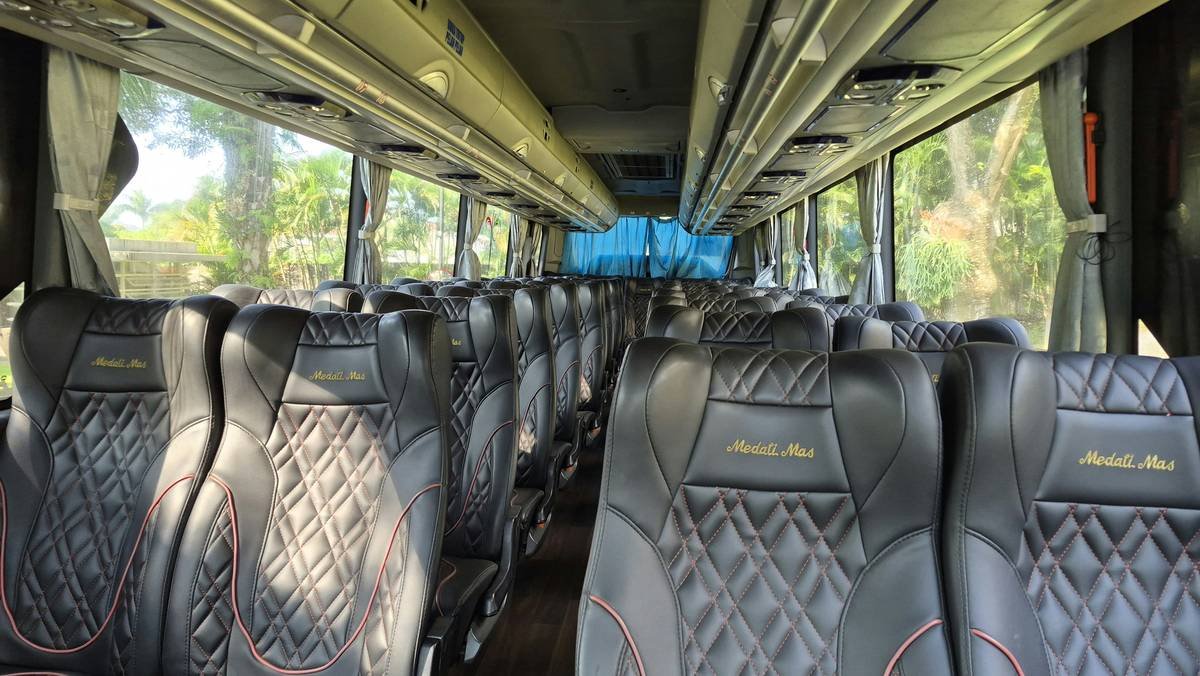
| Seating | Metal bench (3 per row) | Padded, individual captain’s chairs with seatbelts |
| Climate Control | Basic heater; no A/C | Zoned HVAC with air filtration |
| Connectivity | None | 4G Wi-Fi + GPS tracking for parents |
| Driver Training | CDL only | CDL + customer service + safety certification |
| Avg. Cost Per Student/Month | $45 | $125 |
The Industry Secret Nobody Talks About
Here’s the contrarian truth: most districts *could* afford premium student transport—if they stopped leasing old models from politically connected vendors. The real barrier isn’t money. It’s procurement inertia.
We ran a micro-case study with a midsize charter network in Austin. They swapped one aging bus for a retrofitted luxury coach (used, but well-maintained). Parent satisfaction jumped 68% in one semester. Absenteeism dropped. And—surprise—they charged a modest premium that 92% of families willingly paid. Why? Because reliability became a selling point for the school itself. Think about it: your transportation isn’t an expense line. It’s a brand touchpoint.
Frequently Asked Questions
Is a student first school bus only for private schools?
No. Public charters, special-needs programs, and even public districts are adopting tiered models—with subsidies for low-income riders. The model scales.
How much safer is it than a standard yellow bus?
Individual seatbelts, collision avoidance tech, and real-time monitoring reduce incident rates by up to 40% based on NHTSA pilot data from 2023.
Can I request this for my child’s route?
Absolutely. Start by organizing with other parents. Present the operational ROI—not just comfort—to school administrators. Include fuel and maintenance comparisons.