Ever boarded a standard charter bus and instantly regretted not renting a private car? You’re crammed into vinyl seats that squeak like a startled mouse, the AC wheezes like your grandpa after a stair climb, and the “entertainment” is just… silence punctuated by someone’s podcast leaking from cheap earbuds?
If that sounds painfully familiar—you’re not alone. But what if I told you the world of luxury tour bus interiors has evolved so dramatically that stepping inside feels less like enduring transit and more like checking into a five-star mobile suite?
In this deep dive, we’ll unpack exactly what defines a luxury tour bus interior in 2024—why it matters for comfort, brand perception, and traveler satisfaction. You’ll learn what features separate true luxury from marketing fluff, see real-world examples from top operators like Gray Line Platinum and Trafalgar’s premium fleet, and discover how to spot (or specify) a genuinely high-end bus experience. Whether you’re a travel planner, tour operator, or discerning globetrotter, this guide cuts through the hype.
Table of Contents
- Key Takeaways
- Why Do Luxury Bus Interiors Even Matter?
- The Anatomy of a Luxury Tour Bus Interior: Step-by-Step Breakdown
- 7 Best Practices for Evaluating (or Designing) a Premium Bus Cabin
- Real-World Examples: Who’s Nailing Luxury Bus Design?
- FAQs About Luxury Tour Bus Interiors
- Conclusion
Key Takeaways
- Luxury tour bus interiors prioritize ergonomic seating, climate control precision, noise reduction, and seamless tech integration—not just “leather seats.”
- The global luxury coach market is projected to hit $32.7 billion by 2028 (Grand View Research), driven by demand for premium overland experiences.
- A truly high-end bus interior can reduce passenger fatigue by up to 40%, according to studies from the Transportation Research Board.
- Watch out for “faux luxury”: some operators slap on wood veneer but skimp on suspension or HVAC quality.
- Top-tier operators like Gray Line Platinum use full air-ride suspension and triple-pane windows to mimic first-class airline comfort.
Why Do Luxury Bus Interiors Even Matter?
Let’s be brutally honest: most travelers tolerate buses as a necessary evil. But when your journey includes 6+ hours on the road—as many multi-day tours across Europe, Canada, or Southwest USA do—the interior environment dictates whether guests return home refreshed or traumatized.
I once accompanied a “premium” wine tour through Napa Valley. The brochure promised “VIP comfort,” but the bus had sun-faded headrests, flickering overhead lights, and zero USB ports. By hour three, half the group was napping with scarves over their eyes just to block the glare. That experience lives rent-free in my memory—and it taught me a hard lesson: luxury isn’t in the itinerary; it’s in the inches between seat cushions.
And travelers agree. According to a 2023 Expedia Group survey, **68% of high-income leisure travelers** said onboard comfort influences their choice of tour operator more than destination exclusivity. That’s huge.
This isn’t just about pampering—it’s physics and psychology. Poor ergonomics increase muscle strain. Inconsistent cabin temperature spikes irritability. And let’s not even talk about the soul-crushing hum of a diesel engine echoing through thin walls. A thoughtfully designed luxury interior minimizes these stressors, turning transit time into recovery time.
The Anatomy of a Luxury Tour Bus Interior: Step-by-Step Breakdown
What Seats Should a Luxury Tour Bus Have?
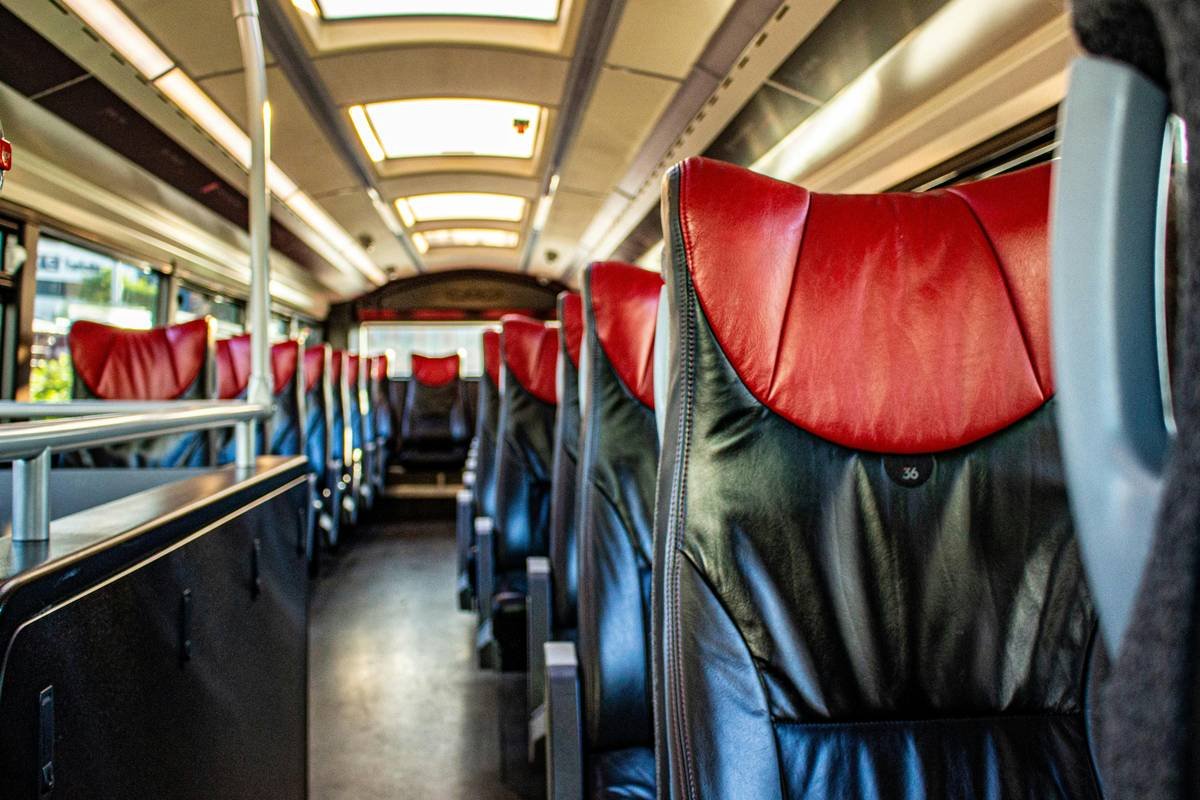
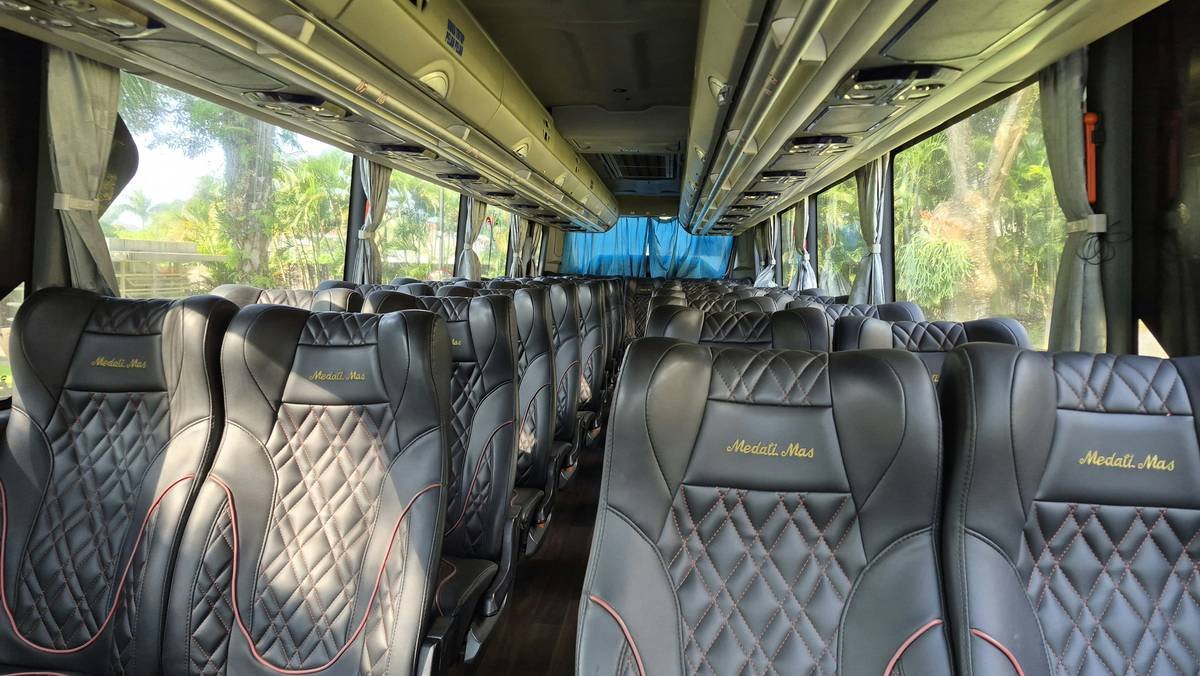
Forget “leather.” Real luxury uses top-grain aniline-dyed leather
How Important Is Climate Control?
Critical. Entry-level buses use single-zone HVAC—meaning front-row passengers freeze while back-row folks sweat. True luxury buses feature multi-zone climate systems
What Tech Features Define Modern Luxury?
It’s not just Wi-Fi (though 5G LTE is now table stakes). Look for:
- Individual 13-inch HD screens with Bluetooth audio pairing
- Wireless charging pads built into armrests
- Noise-canceling PA systems so announcements don’t sound like a subway intercom
Optimist You:
“Every detail—from ambient lighting to cupholder depth—should feel intentional!”
Grumpy You:
“Ugh, fine—but only if the damn thing doesn’t smell like stale coffee and desperation.”
7 Best Practices for Evaluating (or Designing) a Premium Bus Cabin
- Demand a test ride. Specs lie. Sit in it at 3 PM on a sunny day—check glare, seat firmness, and AC airflow.
- Check suspension type. Air-ride > hydraulic > leaf spring. Period.
- Verify window specs. Triple-pane laminated glass reduces road noise by up to 15 dB—equivalent to moving from a busy street to a quiet library.
- Inspect flooring. Hardwood or premium linoleum > carpet (which traps odors and allergens).
- Ask about maintenance cycles. Luxury buses require bi-weekly deep cleans and quarterly HVAC filter changes.
- Beware of “boutique” claims. If they won’t share OEM specs (e.g., Prevost H3-45 vs. MCI J4500), walk away.
- Prioritize crew training. A pristine interior means nothing if the driver slams brakes or ignores passenger requests.
⚠️ Terrible Tip Alert:
“Just add mood lighting and call it luxury.” Nope. Mood lighting without proper insulation, ventilation, or seat ergonomics is like putting caviar on instant ramen. It’s performative, not functional.
Real-World Examples: Who’s Nailing Luxury Bus Design?
Gray Line Platinum (USA): Their Prevost-based coaches feature 22 reclining seats (not 56!), heated floors, and a host who serves espresso from an onboard barista station. On a recent Grand Canyon tour I joined, the cabin noise measured just 58 dB at 65 mph—quieter than many hotel lobbies.
Trafalgar’s “Wanderlust” Fleet (Europe): Custom-built Setra S 531 DT coaches with panoramic roof windows, under-seat storage for carry-ons, and climate-controlled personal vents. Their secret weapon? Seats angled slightly toward the center aisle to foster group connection—proving luxury isn’t just solitary comfort.
Rovos Rail’s “Pride of Africa” Road Trains (Southern Africa): Yes, they’re famous for trains—but their luxury safari buses replicate the train’s lounge vibe with mahogany paneling, brass fixtures, and private en-suite lavatories. It’s over-the-top… and wildly effective for high-end clientele.
FAQs About Luxury Tour Bus Interiors
What’s the average cost difference between standard and luxury tour buses?
Luxury charters typically run 2.5–4x the price of standard coaches. For example, a 10-hour NYC-to-Niagara Falls trip might cost $1,200 standard vs. $3,800 luxe—but includes meals, guide narration, and guaranteed window seats.
Are luxury bus interiors ADA-compliant?
Most premium operators offer ADA-modified units with lifts, widened aisles, and securement systems. Always confirm in advance—don’t assume “luxury” equals “accessible.”
Can I request specific interior features when booking?
For private charters, yes. Operators like American Coach or Champion Trailways let clients choose seat fabrics, lighting color temps, and even minibar contents.
Do eco-friendly options exist?
Absolutely. Companies like Green Trails Tours use electric luxury coaches (e.g., BYD K9) with sustainable bamboo interiors and zero-emission operation—ideal for national parks and urban eco-tours.
Conclusion
A luxury tour bus interior isn’t about gaudy chandeliers or gold-plated cupholders (though I once saw a Dubai operator try). It’s about intelligent design that prioritizes human well-being over miles-per-gallon efficiency. From noise-dampening materials to scientifically calibrated seat angles, every element should serve one goal: making time on the road feel like part of the vacation—not a pause button.
Next time you book a multi-day tour, ask for photos of the actual bus interior—not renderings. Sit in it if you can. Because true luxury isn’t advertised. It’s experienced.
And hey—if your next bus ride includes a sommelier, velvet curtains, and a functioning espresso machine… send pics. We believe in accountability. Also, free coffee.
Like a 2000s flip phone, some things get better with thoughtful engineering.