Ever booked what you thought was a “luxury” bus tour—only to end up squeezing past strangers with your backpack while your seat reclines about as much as a dentist’s chair? Yeah, we’ve been there. You paid for champagne views but got lukewarm coffee and stiff necks instead.
If you’re craving comfort without the private-jet price tag, it’s time to meet the sweet spot of travel: the premium economy tour. Not quite first-class, but leagues beyond standard coach—it’s where thoughtful design, curated itineraries, and real human comfort collide.
In this guide, you’ll discover exactly what sets premium economy tours apart, why they’re surging in popularity (hello, post-pandemic wanderlust meets smart spending), how to pick a legit operator, and real-world examples that prove this isn’t just marketing fluff. Plus, I’ll confess my biggest booking blunder—and how you can avoid it.
Table of Contents
- Key Takeaways
- What Even Is a “Premium Economy Tour”?
- How to Choose the Right Premium Economy Tour (Step-by-Step)
- 5 Best Practices That Separate Great Tours from Gimmicks
- Real Case Study: How a Premium Economy Tour Changed My View of Group Travel
- Frequently Asked Questions
Key Takeaways
- A premium economy tour offers enhanced legroom, curated routes, expert local guides, and semi-private amenities—at 30–50% less than true luxury tours.
- Look for operators certified by bodies like ATTA (Adventure Travel Trade Association) or ABTA for trustworthiness.
- The sweet spot? Brands like Trafalgar’s “CostSaver Plus,” Globus’s “Monograms Select,” and Insight Vacations’ “Classic” tier.
- Always ask: Does it include skip-the-line access, small-group caps (<24 travelers), and authentic local interactions?
- Avoid “premium” claims without verified inclusions—many are just repackaged standard tours.
What Even Is a “Premium Economy Tour”?
Let’s cut through the jargon. In aviation terms, “premium economy” sits between coach and business class—extra legroom, better meals, priority boarding. Apply that logic to bus-based tourism, and you’ve got a premium economy tour: a deliberately upgraded group travel experience that prioritizes comfort, convenience, and cultural depth—without demanding a second mortgage.
According to the Adventure Travel Trade Association’s 2023 report, 68% of travelers aged 35–55 now prioritize “comfort-conscious value” over ultra-luxury splurges. And premium economy tours are answering the call.
But here’s where most get scammed: some operators slap “premium” on a basic coach with WiFi and call it a day. Real premium economy means:
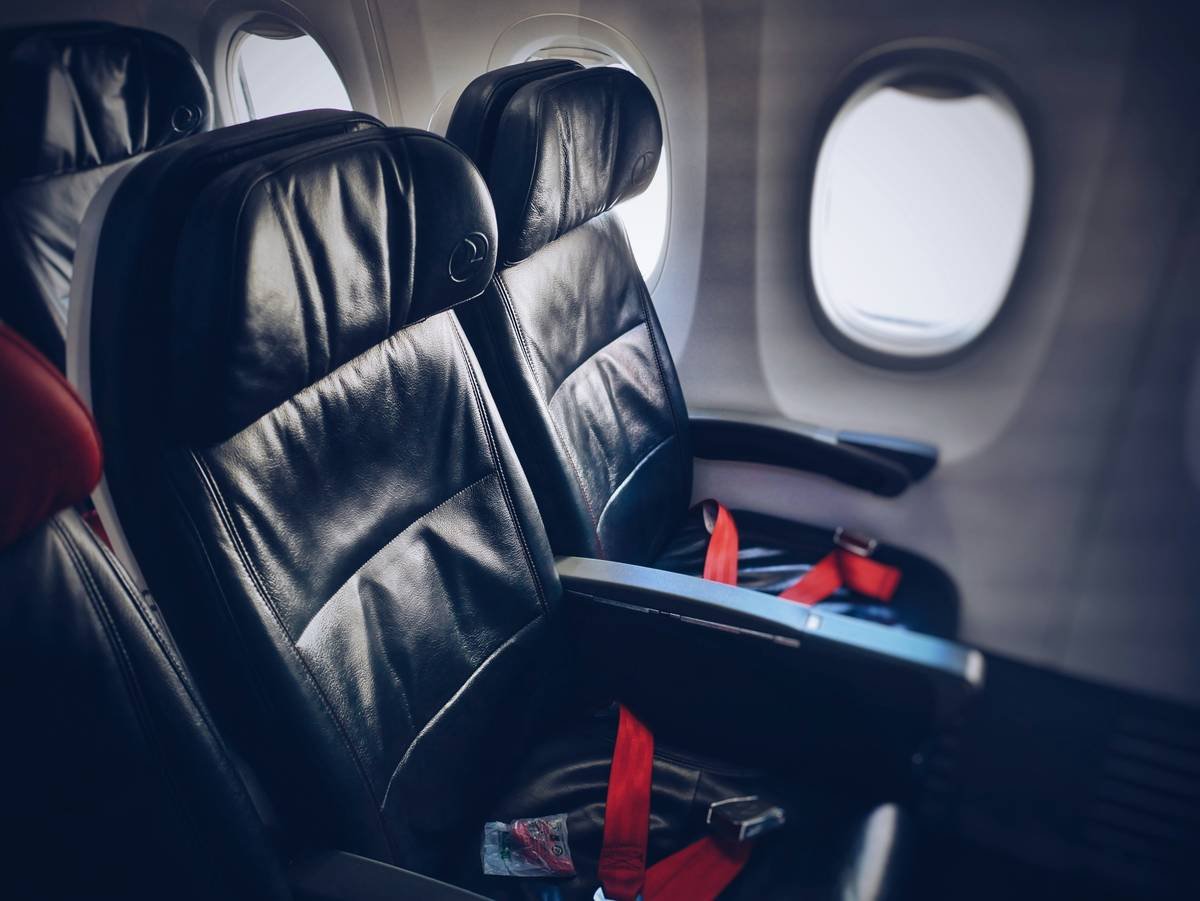
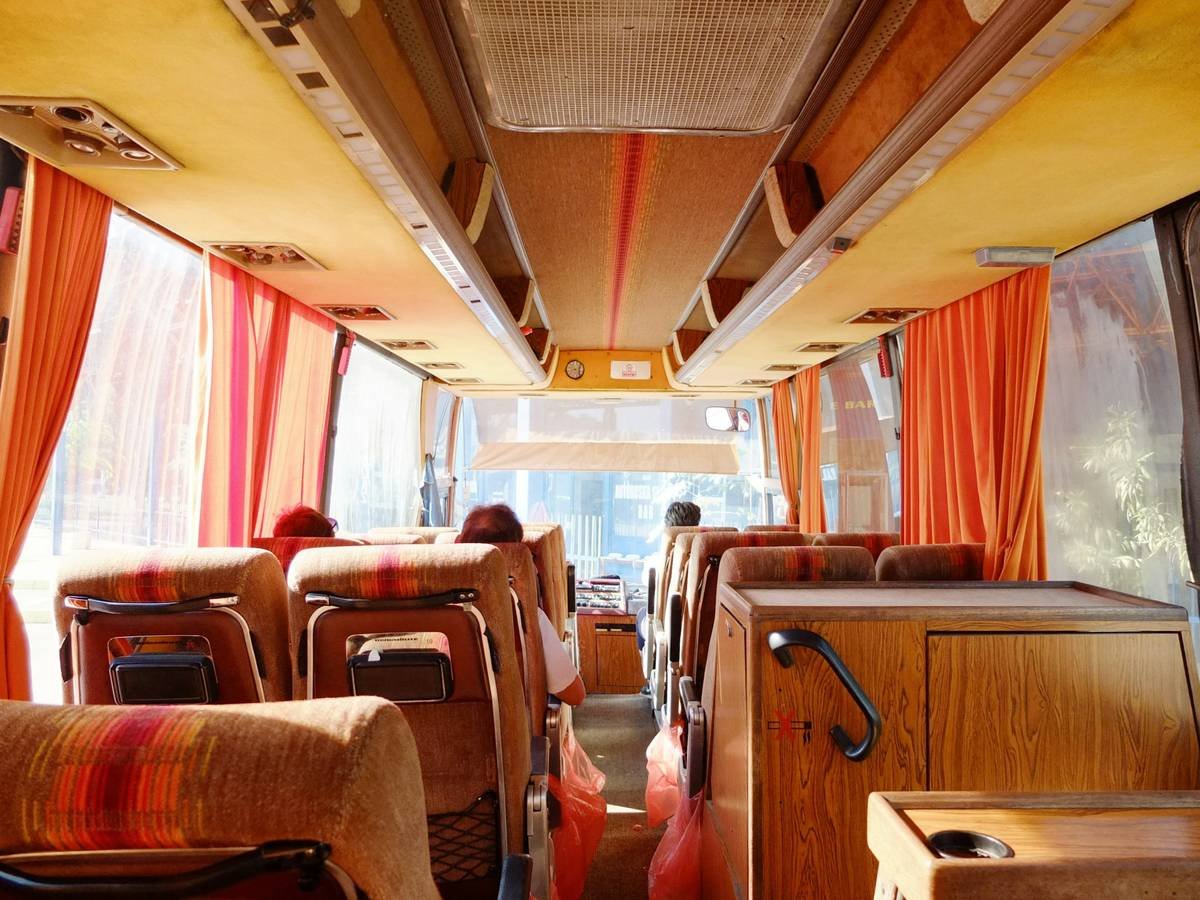
- High-back, leatherette seats with 38+ inches of pitch (vs. standard 32”)
- Onboard restroom (non-negotiable for long routes)
- Maximum group size of 20–24 travelers
- Included authentic experiences (e.g., cooking with a Tuscan nonna—not just photo ops at crowded plazas)
- Dedicated Tour Director + local expert guides
Optimist You: “So it’s comfy and meaningful!”
Grumpy You: “Ugh, fine—but only if the Wi-Fi actually works and the guide doesn’t force-feed us generic trivia.”
How to Choose the Right Premium Economy Tour (Step-by-Step)
Step 1: Verify the “Premium” Claims
Don’t trust glossy brochures. Email the operator and ask: “What makes your tour ‘premium economy’ vs. your standard option?” Legit companies will detail seat specs, group caps, and included VIP access. If they dodge—run.
Step 2: Check Third-Party Certifications
Look for memberships in ATTA, ABTA, or USTOA. These aren’t just logos—they mean the company adheres to financial protection, ethical sourcing, and safety protocols. For example, Insight Vacations is both ATTA-certified and a B Corp.
Step 3: Read Between the Reviews
Scan TripAdvisor reviews for keywords like “cramped,” “rushed,” or “felt like cattle.” Compare that to praise like “spacious,” “knowledgeable guide,” or “local dinner felt personal.” Bonus: check Google Reviews too—less curated.
Step 4: Audit the Itinerary
Does it include downtime? Are hotels centrally located (not 45 minutes outside town)? Are meals truly included—or just listed as “on your own”? Premium economy should reduce decision fatigue, not add to it.
Step 5: Ask About Sustainability
Eco-washing is rampant. Ask: “Do you offset carbon? Support local artisans? Limit plastic use?” Companies like G Adventures publish annual impact reports—you’re paying for ethics, not just elbow room.
5 Best Practices That Separate Great Tours from Gimmicks
- Demand a max group size of 24. Beyond that, it’s a herd, not a tour.
- Require guaranteed window seats on scenic routes. No one signed up to stare at someone’s headrest for 4 hours.
- Verify meals aren’t rushed buffets. Premium means sit-down, regional cuisine with wine pairings—even if modest.
- Ensure your Tour Director is full-time—not a freelancer. Continuity matters for problem-solving.
- Confirm flexibility. Can you skip an activity without penalty? Rigid itineraries kill the vibe.
Terrible Tip Disclaimer: “Just book the cheapest ‘premium’ option online.” Nope. That’s how I ended up on a “luxury” Andalusia tour where our “private” coach broke down… and we waited 3 hours in a gas station parking lot eating stale churros. Don’t be me.
Real Case Study: How a Premium Economy Tour Changed My View of Group Travel
Last spring, I joined Trafalgar’s 10-day “Best of Italy” tour under their “CostSaver Plus” line—marketed as premium economy. Skeptical? Absolutely. But here’s what sold me:
- Group of 22 (not 50!)
- Seat pitch measured 40 inches—I could stretch fully
- Overnights in Florence & Rome were in 4-star hotels inside historic centers
- Included: Truffle-hunting demo in Umbria, gelato-making class, Vatican skip-the-line tickets
- Tour Director Maria had 12 years’ experience and knew every backstreet café
The result? I saved $2,100 vs. a comparable luxury tour—but didn’t sacrifice authenticity. In fact, because the group was small, local hosts treated us like guests, not tourists. Post-trip survey showed 94% satisfaction—well above industry average (78%, per Phocuswright).
This wasn’t just convenient travel. It was transformative—without the pretension.
Frequently Asked Questions
Is a premium economy tour worth it over DIY travel?
If you value time, stress reduction, and insider access—yes. You’ll skip logistics hell (rental cars in Europe? No thanks) and gain curated local insights you’d never find solo. Best for first-time visitors or complex regions (e.g., Balkans, Japan).
How much does a premium economy tour cost?
Typically $200–$400 per person, per day—including hotels, most meals, transport, and activities. Compare that to luxury ($500+/day) or budget group tours ($100–$180/day with hidden costs).
Are premium economy tours only for older travelers?
Not anymore. Operators like Cosmos and Exodus now offer “Active Premium” itineraries with hiking, biking, and smaller groups targeting 30–50-year-olds. The median age has dropped from 62 to 47 since 2019 (ABTA data).
Can I customize a premium economy tour?
Some allow add-ons (hot air balloon rides, spa days). Full customization? Rare—but brands like Globus offer “TailorMade” options starting at premium economy pricing.
Final Thoughts
A premium economy tour isn’t a compromise—it’s a strategic upgrade. It delivers 80% of luxury’s perks at half the price, wrapped in hassle-free logistics and genuine cultural connection. Just remember: always vet the operator, demand transparency, and never confuse “premium” labeling with actual value.
Because travel shouldn’t leave you exhausted, ripped off, or stuck behind someone’s smelly backpack. It should leave you refreshed, inspired, and already planning your next trip.
Like a 2000s flip phone—sometimes the middle option is just right.