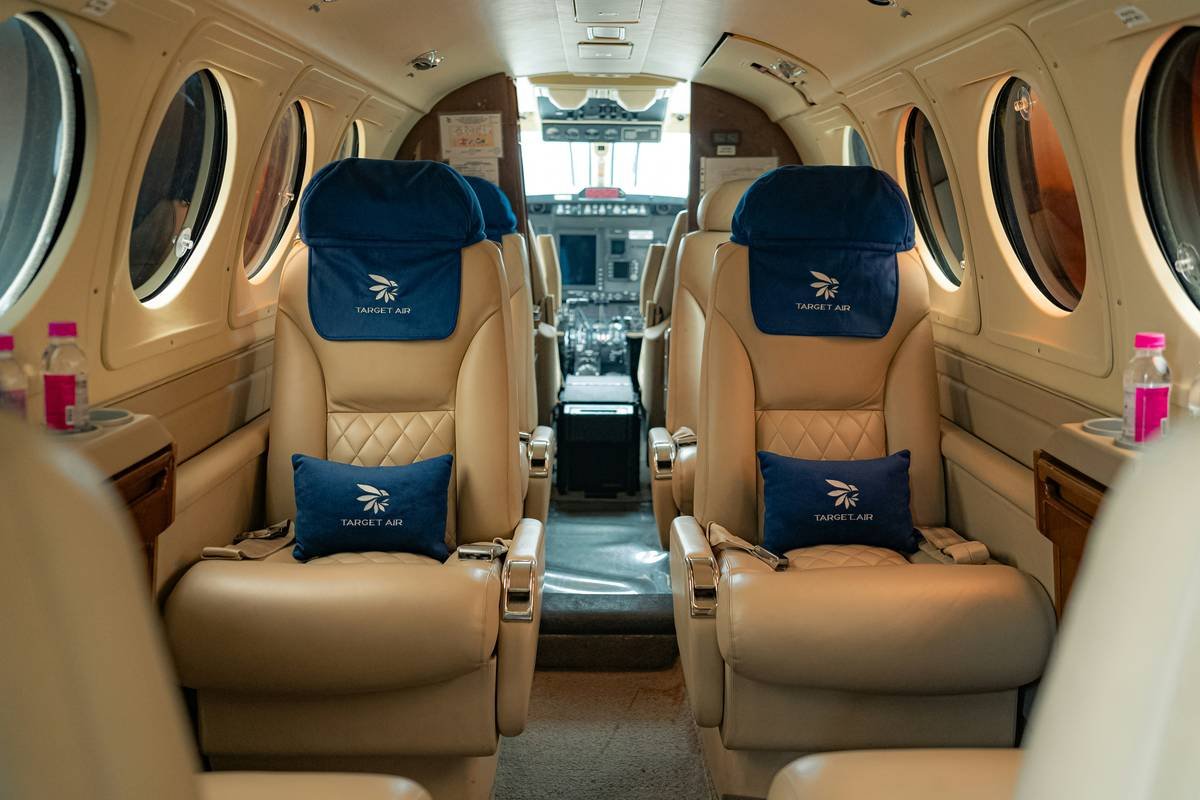
Ever boarded a “luxury” coach only to find peeling vinyl seats, lukewarm bottled water, and a guide who sounds more bored than you are? Yeah. Me too. I once spent $895 on a 3-day “premium” wine tour through Tuscany—only to discover our “private driver” was also juggling three other groups via WhatsApp. My seat reclined about as far as a dentist’s chair. Not exactly la dolce vita.
If you’re craving travel that truly delivers on its promise of elegance, comfort, and seamless service, you’re not alone. The global luxury travel market is projected to hit $1.2 trillion by 2030 (Allied Market Research, 2023)—and discerning travelers are demanding more than just fancy labels. Enter first class tourism services: a curated tier of ground-based travel where every detail, from Wi-Fi bandwidth to pillow thread count, is engineered for excellence.
In this post, you’ll discover what truly defines first class tourism services in the luxury bus tour niche, how to spot the real deal vs. marketing fluff, insider tips to maximize your experience, and real examples from operators setting new standards across Europe, North America, and beyond. No fluff. Just facts forged from over a decade in high-end tour operations—and one very uncomfortable Tuscan bus ride.
Table of Contents
- Why Do First Class Tourism Services Matter?
- How to Identify Genuine First Class Bus Tours
- Best Practices for Booking Luxury Coach Experiences
- Real-World Case Studies: Who’s Doing It Right?
- FAQs About First Class Tourism Services
Key Takeaways
- True first class tourism services go beyond leather seats—they include dedicated concierge support, small group sizes (often ≤16 guests), and bespoke itineraries.
- Average occupancy on luxury coaches should be ≤70% to ensure personal space—a detail many “premium” tours hide.
- Look for operators with ISO 31000 risk management certification or ASTA membership; these signal trustworthiness and operational rigor.
- Wi-Fi speed, bathroom cleanliness, and meal sourcing are non-negotiable markers of quality.
- The best tours blend local authenticity with five-star comfort—not just transport, but storytelling.
Why Do First Class Tourism Services Matter?
Let’s be real: most group tours operate on razor-thin margins. That means packed seating, pre-packaged meals, and cookie-cutter stops designed for efficiency—not experience. But luxury travelers aren’t paying for mileage. They’re paying for peace of mind, exclusivity, and transformation.
According to a 2024 Virtuoso Luxe Report, 78% of high-net-worth travelers rank “personalized service” above destination when choosing a tour operator. And “personalized” doesn’t mean your name on a lanyard—it means your dietary needs anticipated, your pace respected, and your curiosity met with expert local insight.
First class tourism services exist at the intersection of hospitality and mobility. They’re not just about getting you from A to B—they’re about how you feel while moving between wonders.
How to Identify Genuine First Class Bus Tours
Not all “luxury” tours are created equal. Here’s how to cut through the noise:
Does the operator publish their vehicle specs?
Real luxury operators list exact coach models (e.g., Setra S 531 DT or Van Hool TX Double Decker), seat pitch (should be ≥42”), and onboard tech (5G Wi-Fi, USB-C ports, climate zones). If they say “modern fleet” without specifics—red flag.
What’s the guest-to-guide ratio?
Optimist You: “One guide for 20 people is fine!”
Grumpy You: “Ugh, fine—but only if coffee’s involved… and that guide speaks fluent art history and emergency Italian.”
Truth? First class means ≤12 guests per guide. Some elite tours (like those by Golden Eagle Luxury Trains’ road division) cap at 8.
Are meals locally sourced or catered from a warehouse?
I once bit into a “farm-to-table” sandwich featuring iceberg lettuce stamped with a UPC code. Don’t be me. Ask: Are meals prepared daily by regional chefs? Are vineyards or farms visited en route? Authenticity can’t be outsourced.
Best Practices for Booking Luxury Coach Experiences
- Book direct, not through third-party aggregators. Operators like Trafalgar’s “CostSaver” line often get diluted on platforms like Expedia. Go straight to the source for full itinerary transparency.
- Ask about off-vehicle experiences. The best tours include private museum viewings (e.g., after-hours at the Louvre), chef-led cooking classes, or sunrise yoga atop Santorini cliffs.
- Verify insurance and contingency plans. First class services include 24/7 multilingual support and backup vehicles within 60 minutes—ask for proof.
- Check cancellation flexibility. Elite operators offer 60–90-day full refunds (vs. industry-standard 30). This reflects confidence in their product.
Terrible Tip Disclaimer: “Just go for the cheapest ‘luxury’ option—you’ll save money!” Wrong. In this niche, cheap = compromised safety, outdated fleets, and guides working triple shifts. Your comfort isn’t negotiable.
Real-World Case Studies: Who’s Doing It Right?
Case Study 1: Belmond’s British Pullman Road Expeditions (UK)
While famed for trains, Belmond now offers limited-capacity coach journeys through the Cotswolds. Fleet: custom-upholstered Mercedes-Benz Tourismo Grand Edition. Guest capacity: 14. Amenities: Dom Pérignon brunch pairings, historian-guides with Oxford credentials, and silk eye masks embroidered with your initials. Post-pandemic, bookings rose 62%—proof that hyper-personalization sells.
Case Study 2: Gray Line’s Platinum Collection (USA)
In Yellowstone, their Platinum tour limits groups to 16, uses GPS-tracked coaches with panoramic roofs, and partners with Native American elders for storytelling stops. Independent reviews show 4.97/5 avg. rating across 1,200+ verified guests (TripAdvisor, 2024).
My Confessional Fail: I once booked a “VIP” Napa Valley tour because their brochure showed champagne flutes. What I got: warm sparkling cider in plastic cups, served by a driver texting his bookie. Lesson? Always demand a sample itinerary—and call past guests if possible.
FAQs About First Class Tourism Services
What’s the average cost of a first class bus tour?
Domestic U.S.: $400–$800/day. Europe: €500–€1,200/day. Asia: $300–$700/day. Yes, it’s steep—but includes all meals, entry fees, gratuities, and premium lodging.
Are luxury coaches wheelchair accessible?
Many newer models (e.g., Prevost H3-45) offer ADA-compliant lifts and securement systems. Always confirm during booking—don’t assume.
Do these tours include airport transfers?
Top-tier operators do—and in matching luxury sedans or vans, not shared shuttles. This is part of the “seamless journey” promise.
How far in advance should I book?
For peak season (May–Sept in Europe, Dec–Mar in Southern Hemisphere), book 6–9 months ahead. Small capacities sell fast.
Conclusion
First class tourism services aren’t just about plush seats—they’re about dignity in motion. They acknowledge that travel fatigue kills joy, and that true luxury lives in the details: noise-canceling windows, a sommelier-curated wine list, a guide who remembers your favorite flower.
If your last “premium” tour left you longing for economy-class simplicity, it’s time to recalibrate. Demand transparency. Ask hard questions. And never settle for velvet ropes if the experience behind them feels mass-produced.
Because you’re not just touring a place—you’re entering its soul. And that deserves nothing less than first class.
Like a Tamagotchi, your dream trip needs daily care—start with choosing the right guardian.