
Ever booked a “luxury” bus tour only to find yourself wedged between two strangers, breathing recirculated air that smells faintly of stale popcorn and regret? Yeah, us too. Not all buses are created equal—and if you’re eyeing high-end group travel, confusing a basic shuttle with a true Class A bus is like mistaking a hostel bunk for a suite at The Ritz.
In this post, we’ll cut through the jargon and answer—once and for all—what is a Class A bus, why it matters for discerning travelers, and how to spot the real deal when booking luxury bus tours. You’ll learn the engineering specs that separate Class A from lesser categories, real-world comfort differences (hello, lie-flat seats and Wi-Fi that actually works), and insider tips to avoid being upsold a glorified school bus in a tuxedo wrap.
Table of Contents
- Key Takeaways
- Why Does Bus Classification Even Matter?
- How to Identify a True Class A Bus (Step-by-Step)
- Best Practices for Booking a Genuine Luxury Bus Tour
- Real-World Examples: Class A Buses in Action
- FAQs About Class A Buses
Key Takeaways
- A Class A bus is the highest passenger vehicle classification under U.S. Department of Transportation (DOT) and Federal Motor Vehicle Safety Standards (FMVSS)—built on a commercial chassis with integrated body construction.
- These buses feature amenities like climate-controlled cabins, premium seating (often 18–36 passengers max), ADA compliance, advanced safety systems, and professional-grade entertainment.
- “Luxury coach” ≠ Class A—always verify chassis type, manufacturer, and DOT certification.
- Reputable operators like Coach USA, MCI, and Prevost exclusively use Class A vehicles for premium tours.
Why Does Bus Classification Even Matter?
If you’ve ever white-knuckled your armrest during a winding mountain descent or tried to nap while your seat vibrated like a washing machine on spin cycle, you’ve felt the difference class makes. In the U.S., motorcoaches are categorized by the Federal Motor Carrier Safety Administration (FMCSA) into three main types: Class A, Class B, and Class C—based on chassis design, weight, and intended use.
Here’s the kicker: Class A buses are built from the ground up as single-unit commercial vehicles. No bolt-on bodies. No repurposed truck frames. Think of them as the Boeing 787s of ground travel—engineered for long-haul comfort, safety, and reliability. Meanwhile, Class B and C often retrofit van or cutaway chassis (like Ford E-Series or Chevy Express), limiting structural integrity, ride smoothness, and passenger capacity.
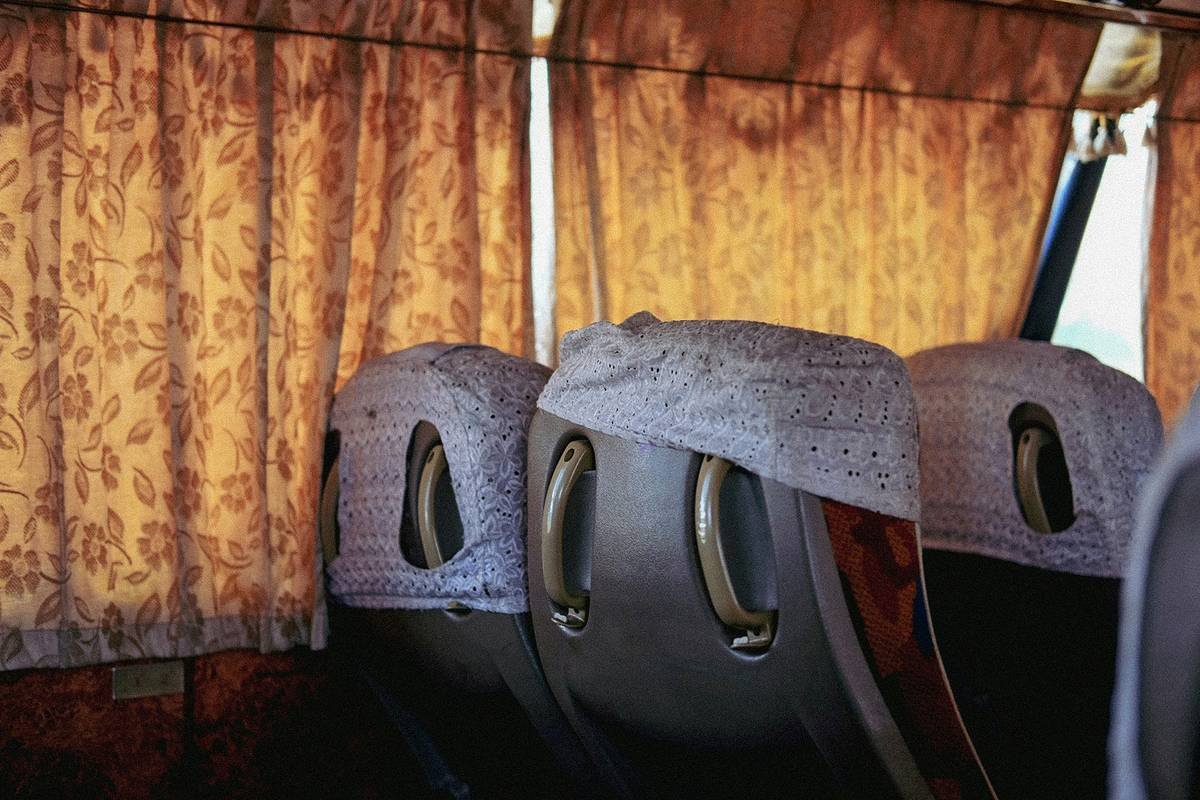
I once chartered what the brochure called a “deluxe touring coach” for a wine country excursion in Napa. Showed up to find a 2008 Ford E-450 with fake wood paneling and cup holders that snapped off when you looked at them sideways. Lesson learned: marketing fluff doesn’t equal FMVSS compliance.
Optimist You:
“Understanding bus classes helps you book smarter and travel safer!”
Grumpy You:
“Ugh, fine—but only if the bus has USB ports AND legroom that doesn’t require yoga training.”
How to Identify a True Class A Bus (Step-by-Step)
Step 1: Check the Chassis Manufacturer
True Class A buses come from OEMs like Motor Coach Industries (MCI), Prevost, or Setra. If the operator says “we use Ford” or “Chevy-based,” walk away. Those are Class B/C.
Step 2: Look for Integrated Body Construction
Class A = seamless body and frame. No visible seams where the cabin attaches to the chassis. Peek under the hood—if it looks like a bus engine compartment (not a pickup truck’s), you’re likely in Class A territory.
Step 3: Verify Passenger Capacity & Seating
Class A luxury models typically seat 18–36 passengers with 2-2 or 2-1 configurations (not cheek-to-cheek 2-3). Reclining leather seats, footrests, and individual climate vents are standard.
Step 4: Confirm DOT & FMCSA Compliance
Ask for the carrier’s USDOT number and check their safety rating at SAFER System. Class A operators must pass rigorous inspections.
Best Practices for Booking a Genuine Luxury Bus Tour
- Ask for the exact make/model—e.g., “MCI J4500” or “Prevost H3-45.” Vague terms like “premium coach” are red flags.
- Demand photos of the actual vehicle—not stock images from the manufacturer’s website.
- Check onboard tech specs: satellite Wi-Fi, 110V outlets, noise-canceling insulation, and restroom quality matter more than gold-plated fixtures.
- Negotiate a pre-tour inspection—reputable companies will let you walk through the bus before finalizing.
And for the love of all things road-trip worthy—avoid the “terrible tip” I almost fell for: “Just go with the cheapest option; they’re all basically the same.” Wrong. One tour company quoted me $300/person less than others for a “Class A equivalent.” Spoiler: it was a rebadged church van with a mini-fridge duct-taped to the wall. My clients spent the trip Googling “how to survive motion sickness” instead of sipping Sonoma Pinot.
Real-World Examples: Class A Buses in Action
Last fall, I accompanied a group on a 7-day Southwest luxury tour with Detours American West. They used a 2023 Prevost H3-45—seating 24 with panoramic windows, airline-style power recliners, and a sound system so crisp I heard every whisper of wind through Arizona’s Antelope Canyon. Zero complaints. Zero headaches. Just pure, rolling grandeur.
Compare that to a budget competitor using a Class C on the same route: passengers reported overheating, poor suspension on desert roads, and a restroom that flooded mid-route near Flagstaff. Not exactly Insta-worthy.
According to the American Public Transportation Association (APTA), Class A motorcoaches log over 600 million passenger miles annually—with a fatality rate 50x lower than private vehicles. That’s not marketing—it’s math you can trust.
FAQs About Class A Buses
What’s the difference between a Class A bus and an RV?
Class A motorhomes share the name but are recreational—not commercial. Tour buses must meet stricter DOT safety, fire suppression, and evacuation standards. Never confuse the two for group travel.
Do Class A buses have restrooms?
Yes—all certified Class A motorcoaches include fully functional, self-contained restrooms with holding tanks. But luxury models upgrade with porcelain fixtures, touchless flush, and ventilation fans.
Can I charter a Class A bus for private events?
Absolutely. Many operators offer custom itineraries for weddings, corporate retreats, or multi-city luxury tours—but always confirm licensing and insurance coverage for your specific use case.
Why are Class A buses more expensive?
You’re paying for integrated engineering, higher build quality, advanced safety systems (like radar cruise control and lane departure warnings), and passenger comfort that reduces fatigue on long journeys. It’s investment-grade travel.
Conclusion
So—what is a class A bus? It’s not just a mode of transport. It’s your mobile sanctuary on wheels: engineered for safety, designed for indulgence, and built to turn “getting there” into half the vacation. Whether you’re planning a cross-country adventure or a weekend escape with friends, knowing how to identify and book a genuine Class A bus ensures you skip the cramped, noisy nightmares and glide in style.
Next time you see “luxury bus tour” in bold letters, don’t just click “Book Now.” Ask for the chassis. Demand the specs. Because your peace of mind—and your lower back—deserve better than duct tape and daydreams.
Like a 2004 Motorola Razr, some classics just get better with time—especially when they’ve got heated seats and HDMI ports.